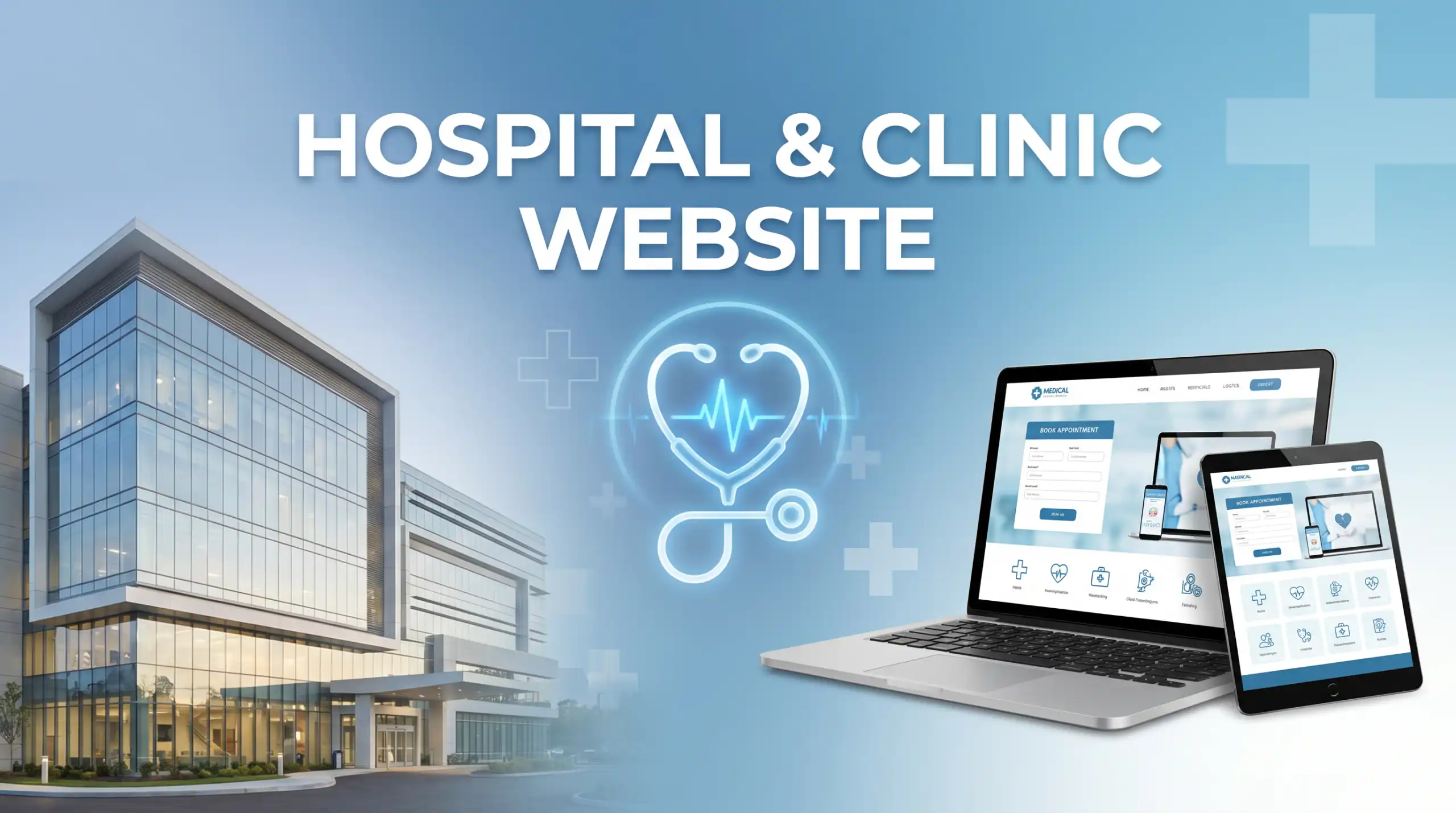

In an era where people primarily search for health information and clinics online. Clinic or hospital website. It's no longer just an online brochure, but the most important "front line" in creating a positive first impression. reliability For patients who are deciding on a healthcare facility.
If your website looks unprofessional, loads slowly, or doesn't provide the information you need, patients may immediately switch to a competing clinic with a more credible website. Therefore,Web designThe healthcare business is therefore more sensitive and requires more attention to detail than other types of businesses.
Table of Contents
Why is "trustworthiness" the most important thing for a clinic website?
When it comes to health and life, people are very cautious in their decisions. They want assurance that the clinic or hospital they choose is up to standard, has expert doctors, and is safe. Websites therefore act as receptionists, providing complete information and building trust from the very first impression.
Like other service businesses, building trust through a website increases the likelihood of customers making a purchase, just as having a website helps.Increase the credibility of real estate agents. Or, in other words, the construction contracting business.

5 key elements on a website that help build patient confidence.
1. Clear medical history and qualifications.
Patients want to know who they are entrusting their healthcare to. The website should have a “Our Medical Team” page showcasing professional-looking photos, educational backgrounds, specialties, and a clear consultation schedule.
2. Certifications and standards for healthcare facilities.
Displaying logos of various certifications such as JCI, HA (Hospital Accreditation), or healthcare facility licenses in a clearly visible location (e.g., in the footer or on the "About Us" page) can greatly enhance credibility.
3. Reviews and experiences from real patients.
Testimonials from real patients carry more weight than the clinic's own advertising. There should be a section showcasing reviews, testimonials, or before/after photos (if legally permitted) to confirm the quality of the treatment.
4. User-friendly online queue reservation system.
Having a convenient and user-friendly online appointment system demonstrates modernity and a focus on patient comfort. Furthermore, it helps reduce the workload for clinic staff.
5. Accurate contact information and maps.
A valid contact phone number, a link to a chat channel (such as LINE OA), and a correctly pinned Google Maps location are required so that patients can easily find the clinic without getting lost.

Patient-Centric Design (UX/UI)
actionWebsite UX/UI Design For clinics, it's crucial to consider the "mental state" of users. Visitors to websites are often concerned about their health or urgently seeking information. Therefore, the design should follow these principles:
- Colors that evoke a feeling of relaxation: Color tones of blue, white, or light green help create a feeling of cleanliness, safety, and professionalism.
- The text is easy to read. Use a suitably large font and arrange the lines for easy reading, making it suitable for the elderly, who may be the primary target audience.
- The menu structure is clear: Important information should not be hidden. Patients should be able to find emergency contact numbers or operating hours within the first 3 seconds.
- Mobile-responsive: Most users search for clinic information using smartphones, so the website needs to display optimally on all screen sizes.
Analysis Customer Journey For patients, from the initial search for symptoms to deciding to schedule an appointment, this will help you design a website structure that accurately meets their needs at each stage.
Data security: An essential element for hospital websites.
Health information is considered highly sensitive personal data. Clinic or hospital websites must have robust security systems in place, starting with the installation of SSL certificates (HTTPS), a clear privacy policy, and strict compliance with the PDPA (Personal Data Protection Act), especially regarding the collection of appointment information or patient history through the website.
Enhance your clinic's image with a professional website.
Don't let an outdated website undermine your medical team's credibility. Our team of experts is ready to help you design and develop a standard, beautiful, user-friendly healthcare facility website that builds patient confidence from the very first click.