What is e-commerce?
E-commerce or e-commerce It refers to the buying and selling of goods and services through the internet, without the need for a physical storefront. Entrepreneurs can reach customers worldwide 24/7, enabling unlimited business growth.
💡 The importance of e-commerce in 2026.
1. Access to a wide range of markets.
- Reach customers worldwide without geographical limitations.
- There are no opening hours restrictions (open 24/7).
- Reduce rental costs and operating expenses.
2. Lower costs than traditional stores.
- No need to pay expensive storefront rental fees.
- Reduce staffing costs.
- It is possible to manage inventory efficiently.
3. Accurate customer data analysis
- Track customer purchasing behavior.
- Analyze data to adjust marketing strategies.
- Creating personalized experiences for each customer (Personalization)
4. Convenience for consumers.
- Shop anytime, anywhere via your mobile phone.
- It's easy to compare prices and products.
- There are various and secure payment options available.
5. Adapting to global trends.
- Consumers are increasingly buying goods online.
- Increased competition in the digital market.
- Opportunities to expand business internationally.
🚀 How to Start a Successful Online Store
Step 1: Select the product and target audience.
- Conduct market research and identify gaps with opportunities.
- Study the competitors and customer needs.
- Choose products that are in demand in the market.
Step 2: Choose the right platform.
Popular platforms in Thailand:
- Shopee - Suitable for beginners; has a large customer base.
- Lazada - Large markets have good promotional systems.
- Shopify – Ideal for brand building; it has a complete, integrated system.
- LINE Shopping – Direct access to LINE users.
- Facebook/Instagram Shop – Suitable for social commerce.
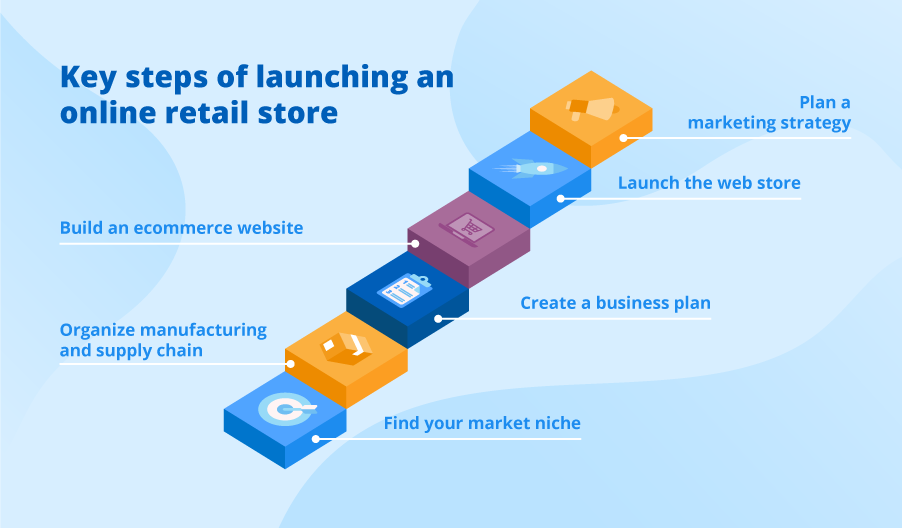
Step 3: Create a website or store.
- Design your storefront to look trustworthy.
- Use clear and beautiful product images.
- Write a clear and complete description of the product.
Step 4: Set up the payment system.
- We support multiple payment methods.
- Use a secure and reliable system.
- There are suitable payment gateways (Omise, 2C2P, PayPal).
Step 5: Plan your digital marketing strategy.
- SEO - Improves website search engine ranking.
- Social Media Marketing – To build brand awareness.
- Content Marketing – Create valuable content.
- Email Marketing - Maintain relationships with existing customers and generate repeat sales.
- Influencer Marketing – Use influencers to help promote your product.
📈 E-commerce trends in 2026
1. Mobile Commerce (M-commerce)
- More than 75% of online transactions originated from mobile devices.
- The website needs to be mobile-friendly.
2. Social Commerce
- Sales through social media continue to grow.
- Live shopping is becoming popular.
3. AI and Chatbots
- Use AI to recommend products.
- Chatbot automatically answers customer questions.
4. Personalization
- Customize the experience for each customer.
- Product recommendations based on purchasing behavior.
5. Sustainability
- Consumers place importance on the environment.
- Eco-friendly products are becoming popular.
✅ Advantages of having an online store
| strength | details |
|---|---|
| 💰 Low cost | No need to rent a storefront, reducing operating costs. |
| 🌍 Accessible worldwide. | You can sell products anywhere there's internet access. |
| ⏰ Open for business 24/7. | There are no closing times; it generates income all the time. |
| 📊 Able to analyze data. | Track customer behavior and adjust strategies. |
| 🚀 Expanding your business is easy. | Adding products and expanding markets can be done quickly. |
⚠️ Challenges of E-commerce
- High competition – A distinctive strategy is required.
- Data security – A security system must be in place.
- Shipping – A good logistics system is required.
- Building trust – You need to build a strong brand.
- Customer service – You need to respond quickly.
🎯 Tips for success in online stores
- The product images are clear and beautiful. – The image is the first thing customers see.
- Write a detailed description. – Provides complete information.
- Respond to customer messages quickly. – To create a lasting impression.
- There is a clear return policy. – To build confidence.
- Reviews from real customers. – Increase credibility
- Promotions and discounts – Attracting new customers
- Do SEO consistently. – Increase the chances of customers finding us.
- Analyze data and make improvements. – Continuously improving.
📱 Essential tools for online stores.
- Google Analytics – Analyze traffic and consumer behavior.
- Facebook Pixel – Track advertising results.
- Canva – Design promotional images.
- MailChimp – Sending Email Marketing
- LINE OA – Communicate with customers.
- Inventory Management System – Manage inventory.
🎬 Summary
E-commerce is not just a temporary trend, but...The future of commerceIt's a trending phenomenon that will continue to grow for a long time. Having an online store in 2026 won't just be an option, but it will be...NecessityFor businesses that want to survive and grow.
Whether you're a new entrepreneur or have an existing brick-and-mortar business, expanding online will increase your opportunities for growth and generate more revenue. It's never too late to start!