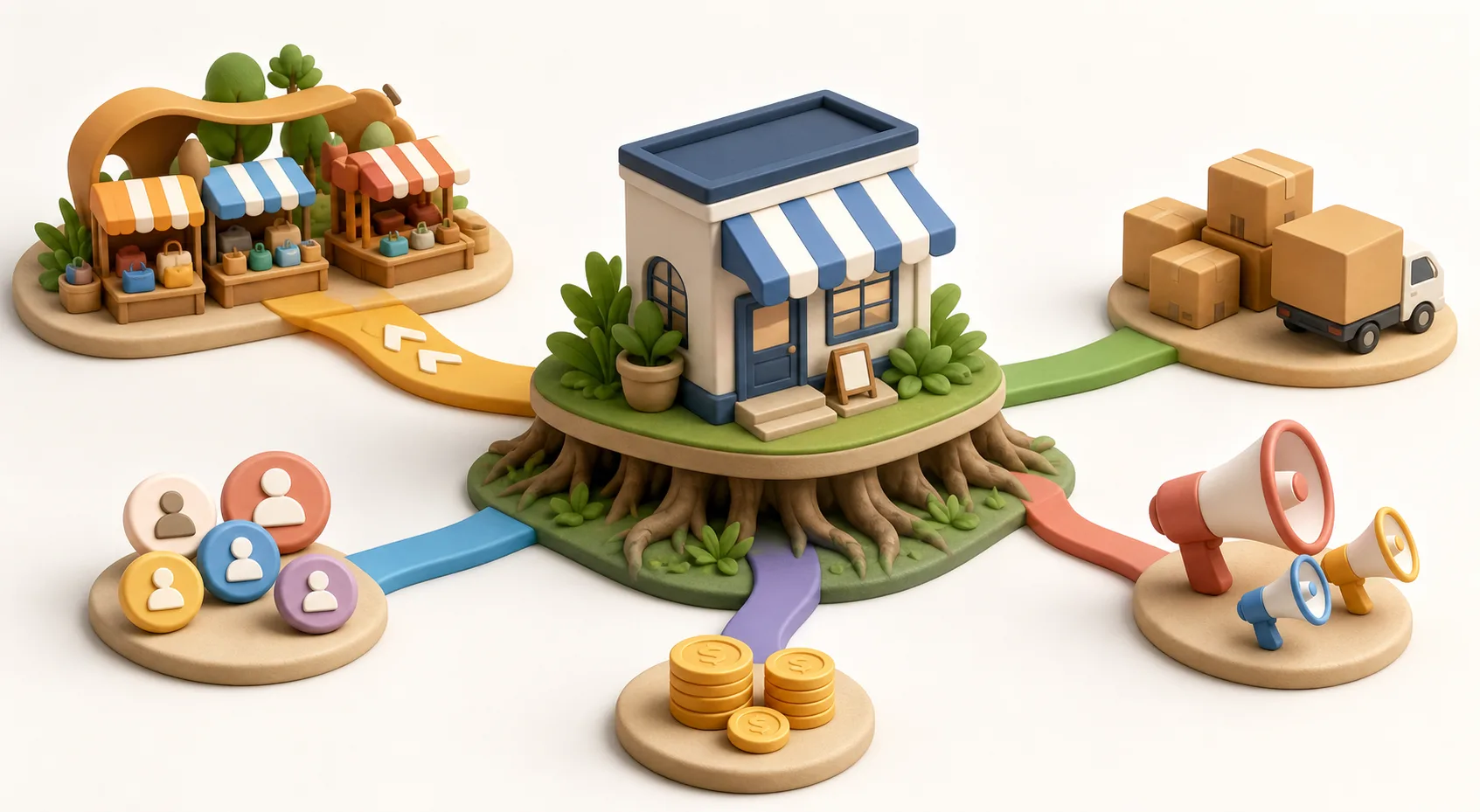
Online stores require more hosting than typical websites because they handle shopping carts, checkout processes, inventory, orders, customers, and constantly changing data. Choosing the wrong hosting can lead to slow checkout, lost orders, or website crashes during advertising campaigns.
What do e-commerce businesses need from hosting?
E-commerce websites require higher-than-normal speed, stability, and security because every second of a slow checkout or website downtime represents a lost sales opportunity. Hosting should effectively support SSL, backup, caching, database tuning, and monitoring.
Which page is the most important?
The product page, cart, checkout, my account, and payment callback must be fast and not misclogged.
Choose hosting based on the platform.
If you're using Shopify, your primary hosting is tied to the platform, but if you're using WooCommerce, or... E-commerce system For a custom setup, you need to choose your own server and should design the system to support traffic, orders, and integration from the start.
Example of selection.
- Small Shop: WooCommerce on Managed Hosting
- Central store: Cloud server with cache/database tuning.
- Organization: Custom E-Commerce with service separation system.
Security and Payment Gateway
E-commerce websites must protect customer data and transactions. They should use SSL, firewalls, backups, limited access, and regular system updates. If connecting to a payment gateway, ensure that callbacks and webhooks are working reliably.
Don't overlook the logs.
Logs help to quickly detect issues such as orders not being processed, payment callback failures, or system email errors.
Supports Campaign and Traffic Spike data.
Online stores often experience a surge in traffic during advertising campaigns, flash sales, or new product launches. Shared hosting might not be able to handle this volume, so consider this. Cloud Server Or a Managed Cloud for websites that are starting to generate real sales.
Frequently Asked Questions
Can WooCommerce be used with shared hosting?
It's suitable for very small shops, but as products, orders, or traffic increase, you should consider moving to the cloud or managed hosting.
Does an online store need a CDN?
This should be used if you have many product images or customers in multiple locations, but you must configure the settings to prevent caching on the cart and checkout pages.
Summary before making a final decision.
E-commerce websites should choose hosting based on stability and sales performance, not just price. A slow or down website when customers are ready to buy represents an unseen opportunity cost.
Set up your website to be ready for growth.
If you're unsure which hosting, cloud server, CDN, caching, or backup system is right for your website, our Creative team can analyze your site and create a plan that fits your budget.